[ 01 ] · Context
Problem
- Bangladeshi law firms work with thousands of handwritten and scanned documents, losing annotations and struggling to find relevant precedents.
- Generic AI chatbots hallucinate citations, and firms cannot upload confidential client files to public AI tools without risking privacy.
[ 02 ] · Response
Solution
CaseVault Phase 1 is a working MVP: a FastAPI backend ingests markdown legal documents (front-matter metadata) into SQLite, with repositories that score document relevance per query and a full-text search API.
The Next.js frontend is a dark-theme research workspace: hero search, live stats, category cards, a document reader with AI tabs (summary / ask / citations / related) that are Phase 2 placeholders, query highlighting, and an XSS-safe hand-rolled markdown renderer.
Phase 2 is fully designed (Project SynthGraph): Qdrant semantic search + Neo4j knowledge graph with Leiden community detection, Celery pipelines for OCR → chunking → embeddings, and sub-graph context injected into a reranker, targeting ~790ms to first token.
[ 03 ] · Structure
Architecture
  ┌───────────────────────── Phase 1 (shipped) ─────────────────────────┐
  │  Next.js 16 SPA  ──►  FastAPI  ──►  SQLAlchemy  ──►  SQLite          │
  │  / (search)  /reader  /admin  /dashboard  /library  /workspace      │
  │  DocumentService.sync_documents_from_disk() → 46 legal docs          │
  └──────────────────────────────────────────────────────────────────────┘
  ┌───────────────────────── Phase 2 (designed) ────────────────────────┐
  │  OCR → chunk → embed → Qdrant (vector) · Neo4j (KG, Leiden)         │
  │  Celery async pipelines · BGE reranker · ~790ms TTFT budget          │
  └──────────────────────────────────────────────────────────────────────┘
[ 04 ] · Trade-offs
Key engineering decisions
- 01
XSS-safe markdown without a heavy renderer
The reader renderer is hand-rolled and output-sanitized rather than pulling in a full markdown engine: small surface, safe by default for legal content.
- 02
Relevance scoring at the repository layer
Document relevance is computed in SQL against indexed columns and cached, keeping the search API fast without introducing a search server in Phase 1.
- 03
Phase-2 placeholders designed up front
Routes like /admin, /chat, and /workspace exist as intentional shells so the product structure survives the Phase 1 → Phase 2 migration.
[ 05 ] · Under the hood
Engineering highlights
def search(self, q: str, limit: int = 20) -> list[Document]:
    like = f"%{escape_like(q)}%"
    rows = self.session.query(Document).filter(
        or_(Document.title.ilike(like),
            Document.content.ilike(like))
    ).order_by(relevance_rank(q)).limit(limit).all()
return rows[ 06 ] · Outcomes
Results
[ 07 ] · Where it's going
Status & next steps
- Phase 2 build: Qdrant + Neo4j + Celery pipelines per the SynthGraph design.
- Admin review queue where firms approve AI-suggested citations before they reach research notes.
[ 08 ] · Keep exploring
More projects
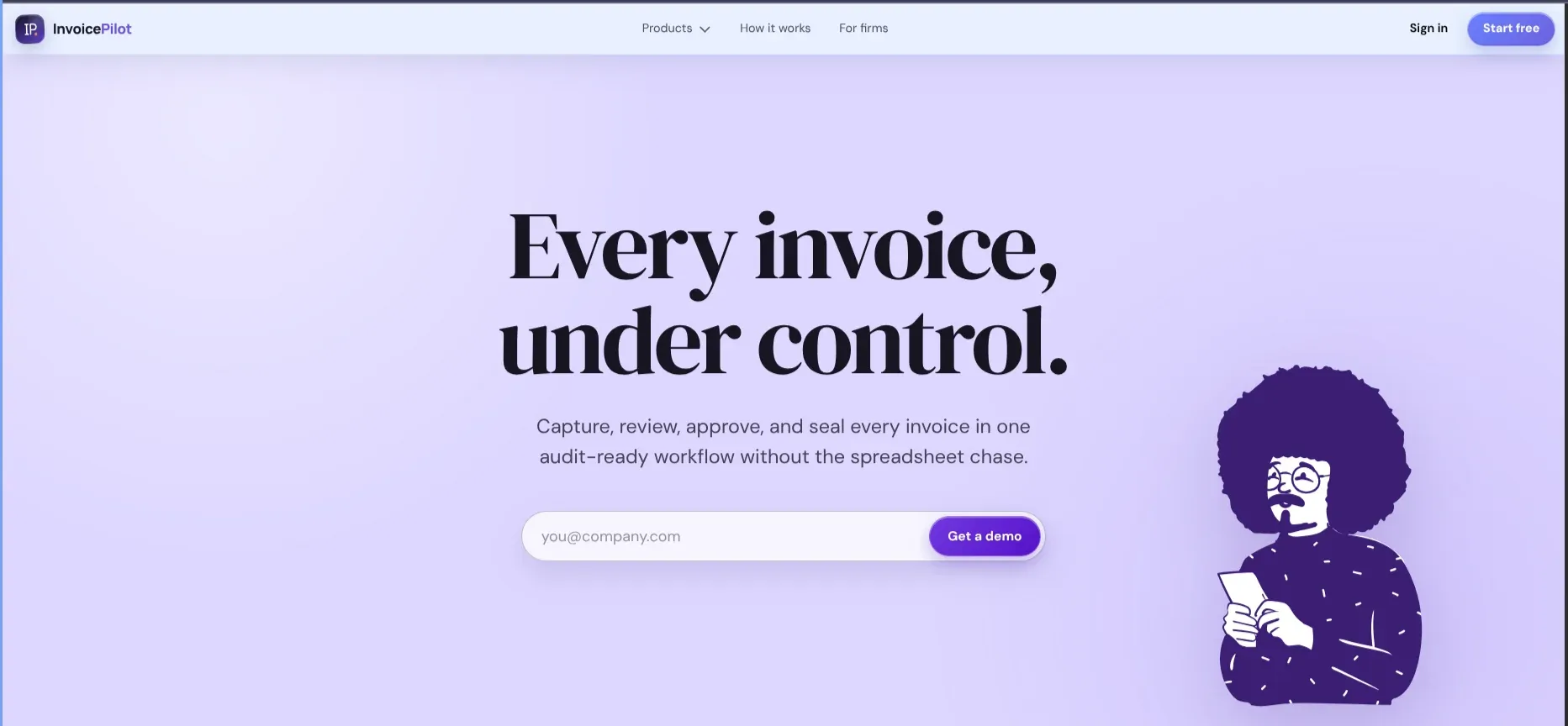
InvoicePilot
ACTIVEAI-powered invoice processing platform that extracts, validates, and analyzes invoices while detecting duplicates and anomalies to streamline financial document workflows.
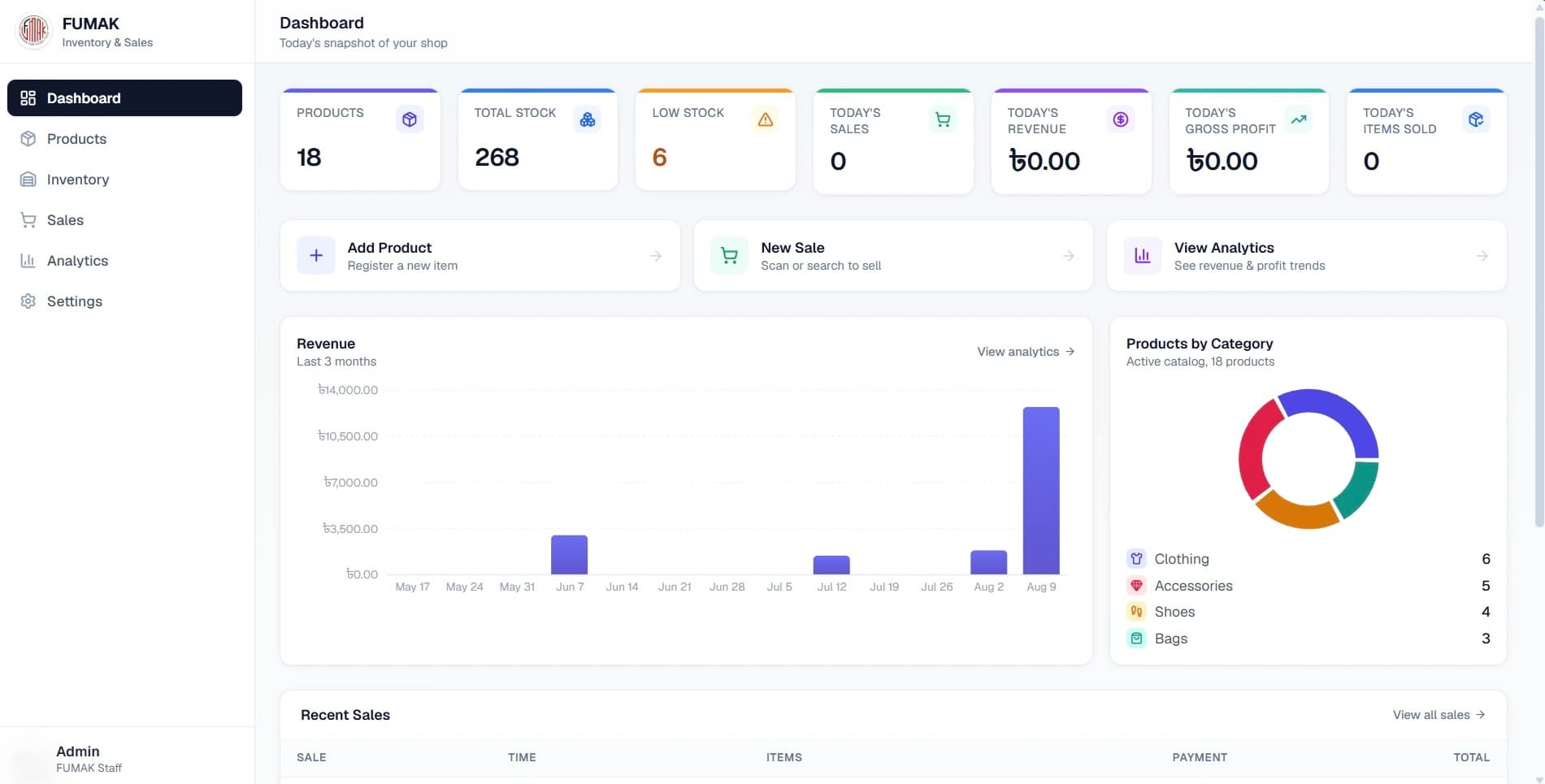
FUMAK Inventory
ACTIVEProduction inventory and point-of-sale system for a retail operation: a phone barcode scanner feeds a web app that manages products, stock, sales, and revenue analytics over the shop's local network.