VoiceCon
Android-first AI voice calling: a caller's live speech is converted in real time into an authorized voice profile on a GPU and delivered to the recipient over a normal phone call.
[ 01 ] · Context
Problem
- Changing a voice during a phone call has to happen in real time: the converted audio must reach the recipient with conversational latency, over a normal phone line, from a phone app.
- Twilio's media streams return audio only to the call leg they run on, so a single leg that dials the phone network cannot carry converted audio to the recipient.
- Voice conversion is gated: a caller may only speak as a voice profile they are authorized to use, and every conversion minute has to be metered against an active package.
[ 02 ] · Response
Solution
VoiceCon splits the product into a control plane and a media plane. A Fastify + Prisma backend on PostgreSQL owns accounts, voice profiles, packages, credits, and call authorization; a Python gateway handles realtime audio over Twilio Media Streams; and a GPU worker runs Seed-VC inference. The backend never touches audio packets, and the gateway and worker never decide billing or authorization: they ask the backend over HMAC-signed internal APIs.
Each call is a two-leg bridge. The Android app places a VoIP leg into Twilio, the gateway streams that audio to the GPU worker as PCM, and the converted audio is sent out on a second leg that dials the recipient on the phone network. The recipient's voice returns to the caller as passthrough.
Conversion fails closed: if the worker errors, both legs end instead of forwarding the caller's raw voice.
[ 03 ] · My work
My contribution
- I build across the stack: the Kotlin and Jetpack Compose Android app (voice lab, packages, profile and KYC flows), the backend API and its tests, the React admin panel, and the deployment and migration tooling.
- I wrote the access rules around conversion (an active package plus callable minutes) and the user-facing messaging that explains why conversion is unavailable, with a shortcut to the packages screen.
[ 04 ] · Structure
Architecture
Android ──VoIP──▶ Twilio leg A ──Connect/Stream──▶ Gateway ──PCM 16k──▶ GPU worker (Seed-VC)
                                                       │◀──converted PCM──┘
Recipient ◀─PSTN── Twilio leg B ◀──Connect/Stream──────┘   (A converted → B)
                   leg B audio ──▶ Gateway ──▶ leg A   (recipient voice → caller, passthrough)

Backend (Fastify + Prisma + PostgreSQL): accounts, voice profiles, billing ledger, call authorization
Admin panel (React + Vite)  ·  HMAC-signed internal APIs between gateway, worker, and backend
[ 05 ] · Trade-offs
Key engineering decisions
- 01
Control plane and media plane stay separate
The backend decides who may convert and how many minutes remain; the gateway and worker only move and transform audio. Keeping billing and authorization out of the audio path means a slow database call can never glitch a live call.
- 02
Fail closed on conversion errors
If voice conversion fails mid-call, both legs end with an explicit error. The caller's unconverted audio is never forwarded to the recipient.
- 03
PostgreSQL is the only source of truth
Credits and transactions live in the database, and call deadlines are derived from stored timestamps so a reconciler can enforce them even if an in-process timer is lost. Redis was deliberately left out until a second instance needs shared rate limits.
- 04
Pick the GPU from a benchmark
The RunPod GPU was chosen from a recorded benchmark of candidate cards, and the worker loads the model once at startup so a call never pays model-load latency.
[ 06 ] · Under the hood
Engineering highlights
Android ──VoIP──▶ Twilio leg A ──<Connect><Stream>──▶ Gateway ──PCM16k──▶ GPU worker (Seed-VC)
                                                          │◀──converted PCM──┘
Recipient ◀─PSTN── Twilio leg B ◀──<Connect><Stream>──────┘ (A converted → B)[ 07 ] · Outcomes
Results
[ 08 ] · Where it's going
Status & next steps
- A shared rate-limit store and a Postgres advisory lock for the reconciler, to run more than one backend instance.
- Shared worker and session state so several gateways can schedule across the same GPU pool.
[ 09 ] · Keep exploring
More projects
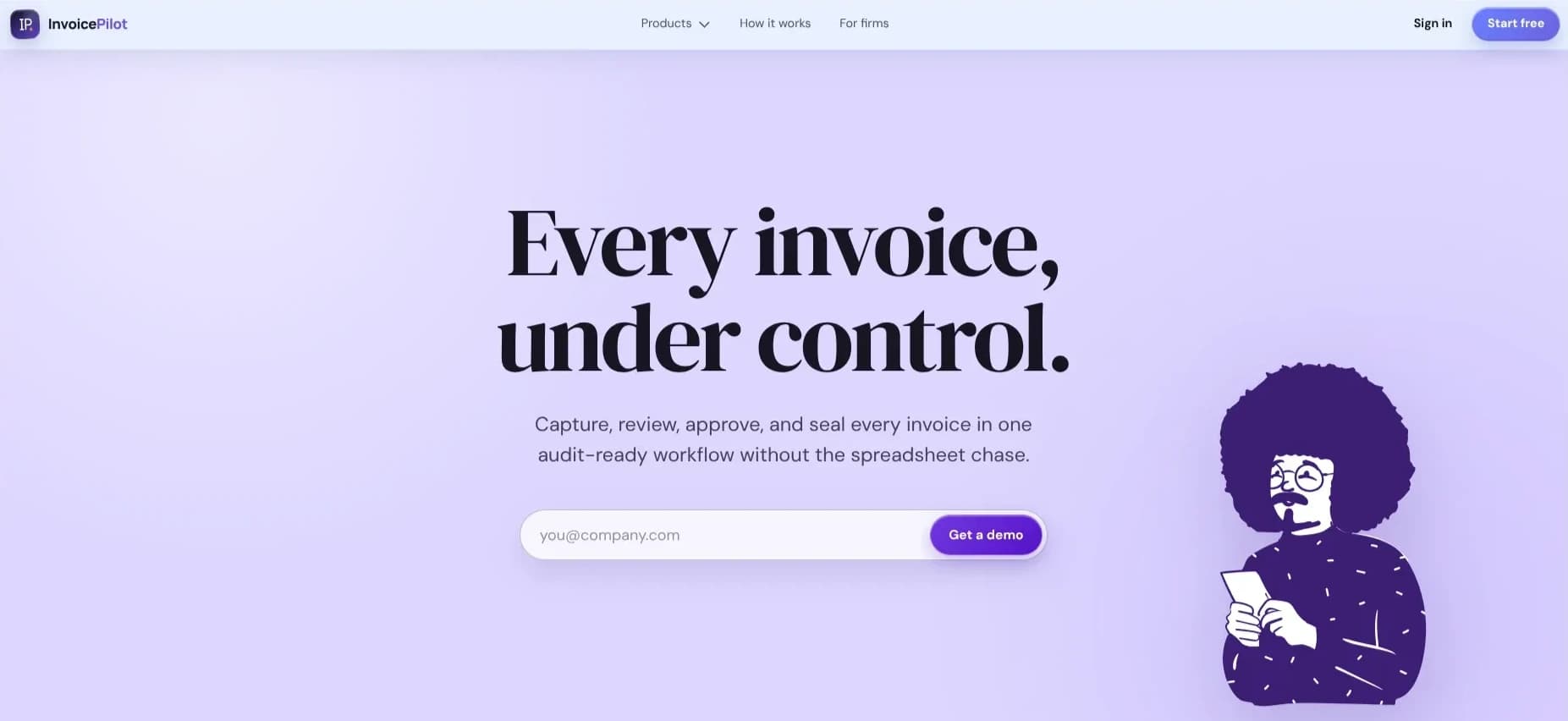
InvoicePilot
ACTIVEAI-powered invoice processing platform that extracts, validates, and analyzes invoices while detecting duplicates and anomalies to streamline financial document workflows.
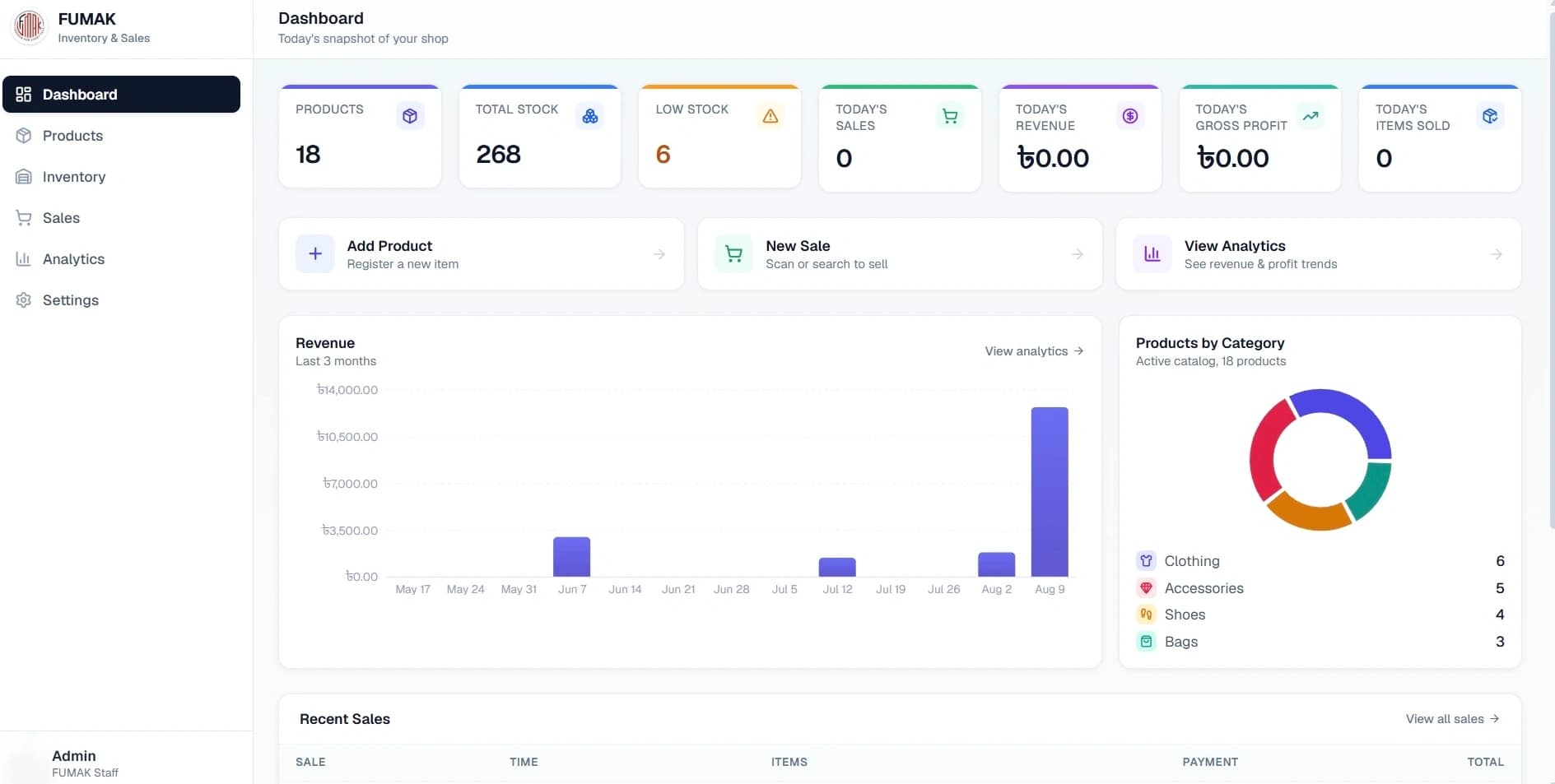
FUMAK Inventory
ACTIVEProduction inventory and point-of-sale system for a retail operation: a phone barcode scanner feeds a web app that manages products, stock, sales, and revenue analytics over the shop's local network.